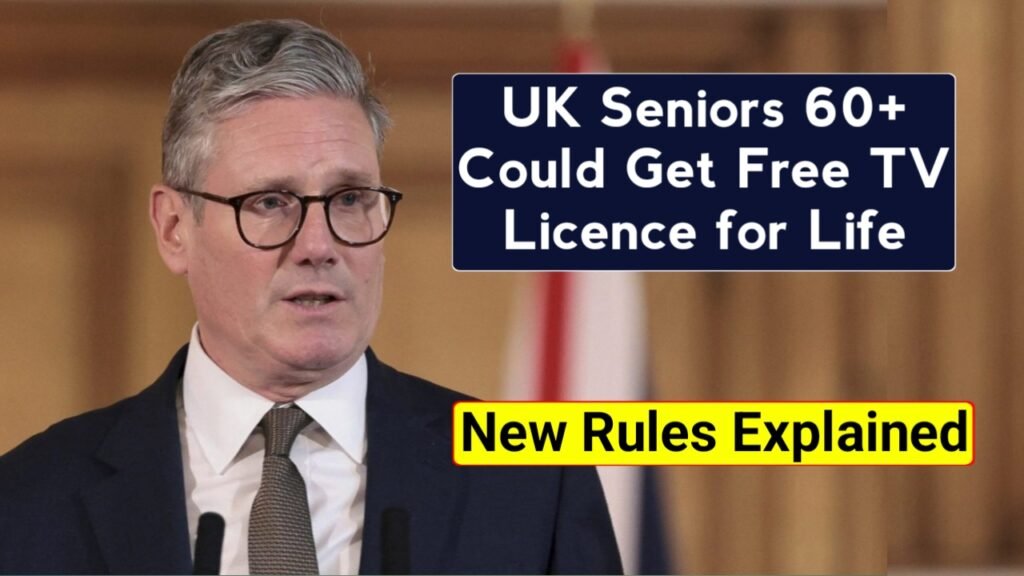
Hello Everyone, The idea of a free TV Licence for people aged 60 and over has once again become a hot topic across the UK. With household bills rising and many retirees carefully managing their budgets, any potential change to TV Licence rules naturally draws attention. Discussions around restoring broader support for older viewers have sparked fresh interest, especially as policies around broadcasting and pensioner benefits continue to evolve. Here’s what we know so far, what the current rules say, and what changes could mean for seniors across the country.
Current TV Licence Rules
In the UK, anyone who watches live television or uses BBC iPlayer must hold a valid TV Licence. The scheme is managed by TV Licensing and funded primarily to support the work of the BBC.
At present, free TV Licences are available only to households where at least one person is aged 75 or over and receives Pension Credit. This change came into effect in 2020 after responsibility for funding over-75 licences shifted from the government to the BBC. Those under 75, including people aged 60 and above, must currently pay the standard annual fee unless they qualify for a separate concession.
The standard TV Licence fee applies whether you watch through a traditional aerial, satellite, cable service or stream live content online. Even watching live programmes on streaming platforms requires a licence. This means most households with a television still need to budget for the annual cost.
Why Over-60s Are Being Discussed
Calls to extend free TV Licences to everyone aged 60 and above have resurfaced due to ongoing cost of living pressures. Many pensioners rely heavily on television for news, companionship and entertainment, especially during colder months when they spend more time indoors.
Supporters of the proposal argue that those aged 60+ are often on fixed incomes and may not yet qualify for Pension Credit or other benefits. Extending free licences to this age group could offer meaningful financial relief. Campaign groups and some political figures believe that access to public service broadcasting is essential for older citizens’ wellbeing and connection to society.
However, funding remains the central issue. Restoring universal free licences for over-60s would require significant financial backing, either from the government or through changes to how broadcasting is funded.
What Has Changed Before
The UK has seen changes to TV Licence concessions in the past. Previously, all households with someone aged 75 or over were entitled to a free licence, regardless of income. This arrangement was funded by the government until 2020.
When funding responsibility moved to the BBC, the eligibility criteria narrowed to those receiving Pension Credit. This shift sparked debate and criticism from some pensioner groups who felt the change placed extra strain on older households.
Since then, there have been periodic discussions about whether broader age-based support, such as for those aged 60 or over, should be reintroduced. While no confirmed nationwide policy currently grants free lifetime licences to everyone over 60, the debate continues.
Who Could Qualify Under New Proposals
Although there is no confirmed nationwide scheme yet, discussions around potential reforms often focus on specific criteria. If changes were introduced, eligibility might depend on age, income or benefit status. Possible factors that could be considered include:
- Being aged 60 or over and receiving certain means-tested benefits
- Having a low household income below a set threshold
- Receiving Pension Credit or other qualifying support
- Living alone as a single pensioner household
Any official changes would need to be clearly announced by the government or the BBC, with detailed guidance on how to apply and when the rules would take effect.
Financial Impact on Seniors
For many older households, the annual TV Licence fee represents a noticeable expense. While it may seem modest compared to energy bills or council tax, it still adds pressure to limited retirement incomes.
Removing this cost for over-60s could free up funds for essentials such as heating, groceries or transport. For pensioners who live alone, especially those not yet eligible for additional benefits, even small savings can make a difference over the course of a year.
That said, policymakers must balance support for seniors with the need to fund public broadcasting. Any decision would likely involve broader discussions about how the BBC is financed in the future.
The Role of Government and the BBC
Responsibility for TV Licence policy has been shared between the UK government and the BBC over time. While the BBC administers the licence system, major changes to concession schemes typically involve government agreement.
Recent reviews into the future funding model of the BBC have examined alternatives to the traditional licence fee. Options such as subscription-based systems or direct government funding have been discussed publicly, though no immediate overhaul has been confirmed.
If a free lifetime TV Licence for over-60s were introduced, it would almost certainly require coordinated action between the government and the BBC, along with parliamentary approval.
What Seniors Should Do Now
At present, people aged 60 to 74 are still required to pay for a TV Licence unless they qualify for another concession, such as being registered blind or living in certain types of residential care accommodation.
If you are aged 75 or over, it is worth checking whether you are eligible for Pension Credit, as this could entitle you to a free licence under current rules. Many pensioners do not realise they qualify for Pension Credit and therefore miss out on related benefits.
Anyone unsure about their status should visit the official TV Licensing website or seek advice from recognised UK advice services to ensure they are meeting legal requirements and not overpaying unnecessarily.
Public Reaction Across the UK
The prospect of extending free licences to over-60s has generated mixed reactions. Many older viewers welcome the idea, describing television as a lifeline, particularly for those living alone.
Others question how the cost would be covered and whether it is fair for younger licence fee payers to shoulder additional financial responsibility. With public finances under pressure, debates about targeted versus universal support continue.
As the UK government reviews wider broadcasting and welfare policies, further announcements could emerge. Until then, any claims of guaranteed free lifetime licences for all over-60s should be treated cautiously unless officially confirmed.
Conclusion
The discussion around free TV Licences for UK seniors aged 60 and over reflects broader concerns about affordability and fairness. While no confirmed nationwide scheme currently grants free lifetime licences to everyone in this age group, the issue remains under active debate. Seniors should rely on official announcements and check their eligibility under existing rules. Any future reform would likely involve careful balancing between supporting older citizens and maintaining sustainable funding for public broadcasting in the UK.
Disclaimer: This article is for general informational purposes only and reflects current publicly available information at the time of writing. TV Licence rules and eligibility criteria may change. Readers should check official UK government and TV Licensing sources for the latest updates before making any financial or legal decisions.