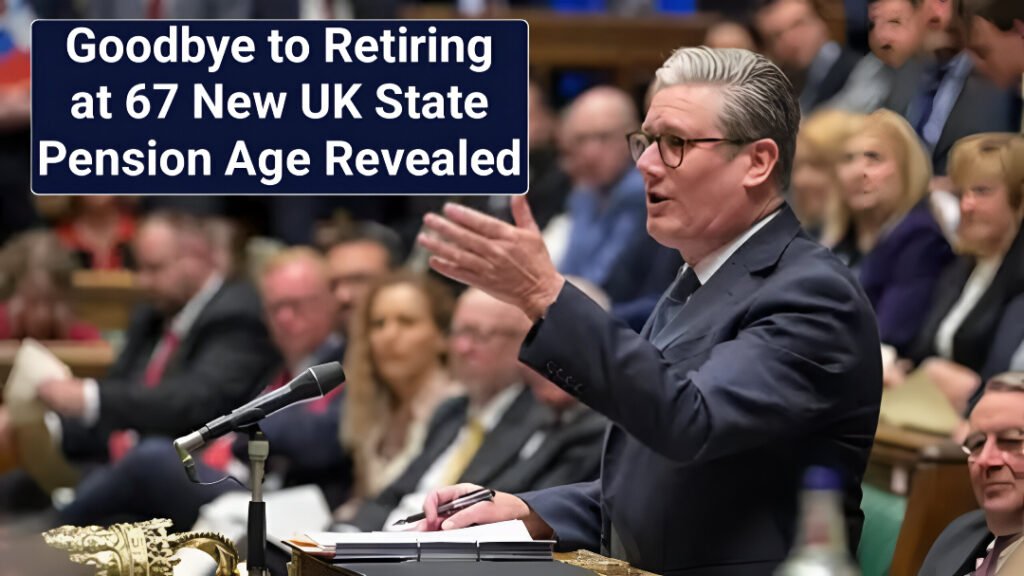
Hello Everyone, The State Pension age has once again become a major talking point across the UK. After growing concerns about rising living costs, health issues and job security among older workers, discussions around the retirement age have intensified. Many people have been asking whether the government is planning to drop the proposed rise to 67 in 2026. Here’s what we know so far, what it could mean for you, and how to prepare.
What Has Been Announced?
Recent reports suggest that the UK Government is reviewing the scheduled increase in the State Pension age to 67. While the current legal timetable still outlines a gradual rise, ministers have acknowledged growing public pressure and the need to reassess long-term sustainability.
At present, the official State Pension age is 66 for both men and women. The planned increase to 67 is due to take effect between 2026 and 2028. However, the government has indicated that it is carefully examining economic conditions, life expectancy data and fairness across regions before confirming the final decision.
Current State Pension Rules
The State Pension system in the UK is overseen by the Department for Work and Pensions. It sets the age at which individuals can begin claiming their State Pension, based on their date of birth and National Insurance record.
To qualify for the full new State Pension, you usually need 35 qualifying years of National Insurance contributions. If you have fewer than this, you may receive a reduced amount. The system applies equally across England, Scotland, Wales and Northern Ireland, ensuring consistency nationwide.
Why the Age Was Set to Rise
The original decision to increase the State Pension age to 67 was made to reflect improvements in life expectancy and to maintain affordability for future generations. As people are living longer, the cost of funding pensions has risen significantly. Key reasons behind the proposed increase included:
- Longer average life expectancy across the UK
- Increased pressure on public finances
- A growing number of retirees compared to working-age taxpayers
However, recent data suggests that life expectancy growth has slowed, leading to renewed debate about whether the planned rise remains justified.
Public Reaction
The idea of raising the State Pension age has never been universally popular. Many workers in physically demanding jobs argue that extending working life is unrealistic. Others point out that life expectancy varies greatly depending on region and income.
Campaign groups have called for a fairer system that takes into account health inequalities. Trade unions and advocacy organisations have also urged the government to reconsider the timeline, especially given ongoing cost-of-living pressures affecting older households.
Impact on Workers Aged 60+
If the increase to 67 were to be delayed or reconsidered, it could have a significant impact on those currently aged between 60 and 66. Many people in this age group are already planning their retirement based on existing rules.
For some, even a one-year difference in pension age can affect savings plans, mortgage repayments and part-time work arrangements. Anyone approaching retirement should check their personal State Pension age using the official government calculator to avoid confusion.
Financial Considerations
Any decision about the State Pension age involves balancing fairness with financial sustainability. The Treasury must consider how changes affect long-term spending commitments. Potential factors influencing the review include:
- Slower improvements in national life expectancy
- Rising health and social care costs
- The economic outlook and tax revenues
- Workforce participation among older adults
The government has emphasised that any final decision will aim to protect the public finances while ensuring support for older citizens.
Political Context
The debate comes amid broader discussions about welfare reform and economic stability. Prime Minister Keir Starmer has faced mounting pressure to clarify the government’s position on pension reform.
While no formal legislation has yet been introduced to cancel the rise to 67, officials have confirmed that a review is underway. Any change would require parliamentary approval and clear communication to avoid confusion among future retirees.
What Should You Do Now?
If you are approaching retirement age, the most important step is to stay informed. Policy reviews can take time, and official changes are usually announced well in advance. You may wish to:
- Check your National Insurance record online
- Review your workplace or private pension arrangements
- Consider speaking to a financial adviser
- Monitor updates from the government website
Planning ahead remains essential, regardless of whether the age threshold changes.
Broader Pension Landscape
The State Pension is only one part of retirement income for many households. Workplace pensions introduced under automatic enrolment have increased private savings participation in recent years.
At the same time, inflation and energy costs have placed additional pressure on fixed incomes. The government has continued the Triple Lock policy in recent years, ensuring that pensions rise in line with the highest of inflation, earnings growth or 2.5%. This policy remains separate from decisions about pension age.
Regional Differences Matter
It is important to recognise that life expectancy varies significantly across different parts of the UK. In some areas, average healthy life expectancy falls well below the national average.
Critics of the rise to 67 argue that a single national pension age may not reflect these disparities. Supporters counter that a unified system is simpler and fairer administratively. The ongoing review is expected to consider regional health data before confirming the final direction.
What Happens Next?
The government is expected to publish updated findings following its review of demographic and economic trends. Until legislation is amended, the current timetable for the increase to 67 between 2026 and 2028 remains in place.
If changes are confirmed, they will likely include transitional arrangements to protect those closest to retirement. Any official announcement will be widely communicated to ensure that citizens have time to adjust their plans accordingly.
Conclusion
The future of the State Pension age remains under close review. While discussions about dropping or delaying the rise to 67 have gained momentum, no final decision has yet been made. For now, the existing schedule still stands. Anyone approaching retirement should remain proactive, check their eligibility details, and stay updated through official government channels to avoid surprises.
Disclaimer: This article is for general information purposes only and does not constitute financial or legal advice. State Pension rules may change following official government announcements. Always check the latest updates directly from official UK government sources or consult a qualified financial adviser before making retirement decisions.